
Maximizing Machining Stability and Surface Finish with Superior Tooling Solutions

Choosing the right cutting tool plays a crucial role in achieving better surface finish, extending tool life, and maintaining consistent machining results. For precision machining, the quality of tooling directly impacts productivity and product quality. Senspark Tool offers practical CNC tooling solutions designed to meet these demands, helping manufacturers improve machining stability and surface finish.
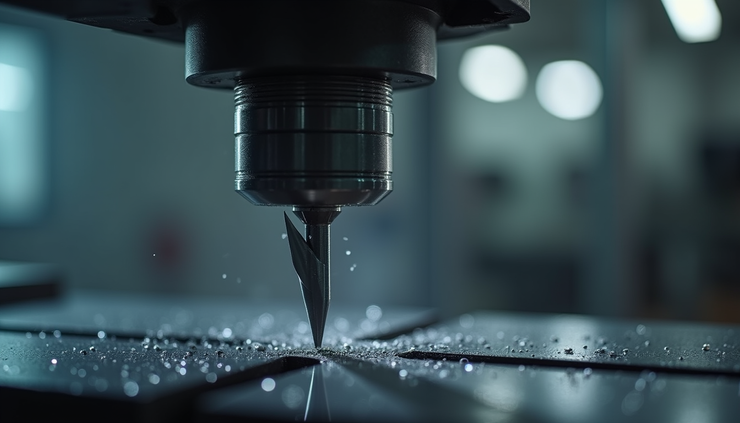
Why Tooling Quality Matters in Precision Machining
Machining stability depends heavily on the interaction between the cutting tool and the workpiece. A high-quality tool reduces vibrations, heat buildup, and wear, which are common causes of poor surface finish and inconsistent machining. When tooling is unstable, it can cause chatter marks, dimensional inaccuracies, and premature tool failure.
Using the right tool for the material and machining conditions ensures:
Improved surface finish: A sharp, well-designed cutting edge produces smoother surfaces.
Longer tool life: Durable materials and coatings resist wear and maintain cutting performance.
Consistent machining: Stable tools reduce variation between parts, improving repeatability.
For example, when machining hardened steel, a carbide tool with a specialized coating can maintain sharpness longer and reduce heat generation compared to a standard high-speed steel tool. This results in cleaner cuts and less frequent tool changes.
How Senspark Tool Supports Stability and Finish
Senspark Tool focuses on engineering tooling solutions that address common machining challenges. Their product range includes end mills, drills, and inserts designed for precision and durability. Key features include:
Advanced coatings that reduce friction and heat.
Optimized geometries for chip evacuation and reduced cutting forces.
High-quality materials that resist wear and breakage.
These features help machinists maintain stable cutting conditions even in demanding applications. For instance, Senspark’s end mills with variable helix angles reduce vibration, which directly improves surface finish and tool life.
Practical Tips for Choosing the Right Cutting Tool
Selecting the best tool requires understanding the machining process and material. Here are some practical tips:
Match tool material to workpiece: Carbide tools excel in hard materials, while high-speed steel suits softer metals.
Consider coating types: TiAlN coatings improve heat resistance for high-speed machining.
Choose the right geometry: Tools with polished flutes and sharp cutting edges reduce friction.
Use tools designed for your machine: Ensure tool shank and size fit your CNC setup to avoid runout.
Replace tools before failure: Regular inspection prevents poor finishes caused by worn tools.
For example, when machining aluminum, a tool with a polished flute and sharp cutting edge prevents material buildup and produces a smooth finish. Conversely, roughing operations on steel benefit from tools with robust edges and coatings that withstand heat.
The Impact of Tooling on Productivity and Cost
Better tooling reduces downtime caused by tool changes and rework. Stable machining means fewer rejected parts and less scrap. Over time, investing in quality tools lowers overall production costs by:
Extending tool life, reducing purchase frequency.
Improving surface finish, minimizing post-processing.
Enhancing machining consistency, reducing inspection and adjustments.
A case study from a precision manufacturer showed that switching to Senspark Tool’s coated carbide inserts increased tool life by 30% and improved surface finish quality, resulting in a 15% reduction in production time.

Comments